Author: root

  • Comparativa entre plataformas de apuestas: ¿dónde hacer apuestas combinadas seguras y rentables?

    Factores clave para evaluar la seguridad en plataformas de apuestas deportivas

    Certificaciones y licencias oficiales: cómo verificar su validez

    La seguridad en las plataformas de apuestas comienza con su licencia y certificaciones oficiales. Estas acreditaciones garantizan que la plataforma cumple con los estándares regulatorios y de protección al usuario. Para verificar la validez, es fundamental consultar los sitios web de las entidades regulatorias, como la Dirección General de Ordenación del Juego (DGOJ) en España o la Malta Gaming Authority (MGA). Por ejemplo, un operador licenciado en Malta muestra un logotipo válido en su página, junto a un número de licencia que se puede confirmar en la página oficial de la autoridad reguladora.

    Medidas de protección de datos y privacidad del usuario

    El manejo responsable de la información personal y financiera es otro pilar de la seguridad. Las plataformas confiables utilizan protocolos de cifrado SSL para proteger los datos durante las transacciones y el ingreso de información personal. Además, deben cumplir con regulaciones como el RGPD en Europa, lo que implica políticas claras sobre privacidad y retención de datos. Las plataformas que ofrecen opciones de autenticación en dos factores (2FA) elevan aún más la seguridad, dificultando accesos no autorizados.

    Sistemas de pago confiables y transparentes

    La confianza en las transacciones financieras se refleja en los métodos de pago aceptados. Las plataformas seguras trabajan con procesadores de pago reconocidos como Visa, MasterCard, e-wallets como PayPal o Neteller. Además, debe existir transparencia en los plazos de procesamiento y en las comisiones aplicadas. En la práctica, una plataforma confiable informa claramente los pasos para realizar depósitos y retiros, y ofrece soporte ante posibles incidencias, asegurando operaciones sin riesgos de fraude. Para conocer más sobre cómo funcionan estos aspectos, puedes visitar millioner.

    Funciones y herramientas que maximizan la rentabilidad en apuestas combinadas

    Opciones de cuotas y mercados especializados

    Las mejores plataformas ofrecen cuotas competitivas y una variedad de mercados, permitiendo diversificar las apuestas combinadas. Por ejemplo, algunas plataformas permiten apostar en mercados específicos como estadísticas de jugadores o eventos en vivo, aumentando las posibilidades de encontrar apuestas con valor. La diferencia en las cuotas puede significar una mayor rentabilidad a largo plazo para quienes aprovechan las variaciones del mercado.

    Bonos y promociones diseñados para apuestas múltiples

    Los bonos adaptados a apuestas combinadas son clave para aumentar el bankroll. Algunas plataformas ofrecen promociones como cuotas aumentadas en combinadas, bonos de bienvenida para apuestas múltiples, o promociones semanales. Es importante leer los términos y condiciones, ya que algunos bonos requieren cumplir ciertos requisitos para ser retirados. Por ejemplo, un bono del 100% en depósitos para apuestas múltiples puede duplicar las oportunidades de rentabilidad si se gestionan con criterio.

    Herramientas de análisis y estadísticas en tiempo real

    Las plataformas avanzadas proporcionan estadísticas en vivo y herramientas de análisis que facilitan la toma de decisiones informadas. Ejemplos incluyen gráficas de rendimiento, tendencias de cuotas y análisis de probabilidades. Estas herramientas permiten identificar oportunidades de valor en apuestas combinadas, optimizando la rentabilidad y reduciendo riesgos.

    Comparativa de plataformas según facilidad de uso y accesibilidad

    Navegación intuitiva y experiencia en dispositivos móviles

    Un diseño limpio, menús claros y compatibilidad total con dispositivos móviles son fundamentales. Plataformas como Bet365 o William Hill ofrecen aplicaciones y sitios web optimizados, facilitando realizar apuestas rápidamente y sin complicaciones, incluso desde smartphones o tablets.

    Proceso de registro y depósitos simplificado

    El registro debe ser rápido y seguro, con pasos sencillos y verificación eficiente. Los depósitos y retiros, en plataformas confiables, se realizan en pocos clics mediante métodos seguros y con límites adecuados para diferentes presupuestos, permitiendo gestionar las apuestas combinadas sin demoras.

    Soporte técnico y atención al cliente eficiente

    Una atención eficaz, mediante chat en vivo, correo electrónico o teléfono, ayuda a resolver dudas o problemas en tiempo real. Algunas plataformas ofrecen atención 24/7 y recursos de ayuda, lo que resulta en una experiencia más confiable y positiva para el usuario.

    Limitaciones y riesgos asociados a las plataformas de apuestas online

    Posibles fraudes y cómo evitarlos

    Las plataformas no reguladas o con certificaciones falsas representan un riesgo alto. Para evitarlas, es imprescindible consultar licencias oficiales y reseñas independientes. Desconfíe de plataformas que prometen ganancias garantizadas o que no muestran claramente su información regulatoria.

    Consejos para gestionar el bankroll en apuestas combinadas

    Gestionar responsablemente el dinero es la clave para no caer en pérdidas significativas. Es recomendable limitar el porcentaje del bankroll por apuesta, diversificar las combinadas y evitar apostar cantidades emocionalmente desproporcionadas.

    Impacto del comportamiento adictivo y medidas preventivas

    El juego problemático puede surgir incluso en plataformas confiables. Es importante establecer límites de depósito, usar herramientas de autoexclusión y buscar ayuda si el juego empieza a afectar la salud mental o las finanzas. La conciencia y la moderación son esenciales para mantener el juego controlado.

  • Les critères de sélection pour un casino français classé parmi les plus beaux en termes de confort et design

    Les casinos en France ne sont pas simplement des lieux de jeux, mais aussi des espaces d’élégance, de confort et d’innovation architecturale. Leur popularité repose en partie sur leur capacité à offrir une expérience esthétique hors du commun tout en assurant le bien-être de leurs visiteurs. Pour comprendre quels critères permettent à un casino d’être reconnu parmi les plus beaux en termes de design et de confort, il convient d’explorer les aspects esthétiques, technologiques et fonctionnels qui font la différence.

    Comment l’harmonie visuelle influence le confort des visiteurs

    Une harmonisation réussie de l’environnement visuel d’un casino joue un rôle crucial dans la perception du confort et du luxe. La cohérence entre différents éléments tels que matériaux, éclairage et architecture crée une atmosphère agréable qui invite à la détente et à la concentration, souvent associée à une expérience de jeu plus agréable.

    Choix des matériaux et leur impact sur l’ambiance

    Les matériaux utilisés dans la construction et la décoration d’un casino influencent fortement l’atmosphère globale. Par exemple, l’utilisation de bois noble, de marbres veiné ou de métal poli confère une allure sophistiquée qui évoque le luxe. Des études montrent que l’acoustique et l’acidité des matériaux jouent aussi un rôle dans le sentiment de confort : la laine, la velours ou le velours côtelé adoucissent l’environnement, tandis que des surfaces dures peuvent accentuer le bruit et l’agitation.

    Utilisation de la lumière pour créer une atmosphère accueillante

    La lumière est un élément clé pour façonner l’ambiance d’un casino. Une lumière tamisée, chaude et diffuse favorise la relaxation, alors qu’un éclairage ciblé met en valeur certains espaces et jeux. La technologie LED permet aujourd’hui une gestion dynamique de l’éclairage, en modulant les intensités selon l’heure ou l’activité. Par exemple, des études dans les centres de divertissement indiquent que l’éclairage « chaud » comme le blanc chaud (2700K) augmente la sensation de confort par rapport aux lumières froides (plus stimulantes et moins chaleureuses). Pour en savoir plus sur l’ambiance idéale, vous pouvez visiter aquawin casino test.

    Intégration d’éléments architecturaux modernes et traditionnels

    Les casinos de prestige réussissent à faire cohabiter tradition et modernité. Des éléments architecturaux tels que des arches classiques, des colonnes ornementales et des moulures font référence à l’histoire tout en étant intégrés à des lignes épurées et des matériaux innovants. Cette synergie renforce l’impression de prestige, en créant un environnement à la fois rassurant et contemporain.

    Les innovations technologiques au service du confort et de l’esthétique

    La technologie modernise l’expérience client dans les casinos, allant bien au-delà du simple divertissement. Lorsque judicieusement intégrée, elle améliore à la fois l’esthétique et la fonctionnalité, contribuant à faire d’un établissement un lieu de référence en termes de confort.

    Systèmes de climatisation et d’isolation acoustique performants

    Un environnement confortable repose sur un équilibre thermique et acoustique. Les systèmes de climatisation à haut rendement, combinés à des matériaux d’isolation phonique innovants, permettent de maintenir une température agréable tout en réduisant le bruit ambiant. Par exemple, des études indiquent que l’isolation acoustique efficace dans les zones de jeu permet de limiter le stress lié aux bruits excessifs, améliorant ainsi la concentration et le bien-être des joueurs.

    Solutions d’éclairage intelligentes pour une expérience immersive

    Les éclairages intelligents, contrôlés via des systèmes automatisés, peuvent adapter en temps réel l’ambiance lumineuse en fonction de l’activité ou de l’heure. Ces systèmes intégrés, utilisant la technologie IoT, offrent une immersion accrue, comme dans les lounges VIP où la lumière peut changer de couleur, d’intensité ou de température pour évoquer une ambiance spécifique, favorisant la relaxation ou la stimulation.

    Design intérieur intégrant la réalité augmentée ou virtuelle

    Les innovations en réalité augmentée (RA) et réalité virtuelle (VR) commencent à transformer l’intérieur des casinos. Par exemple, un casino peut désormais proposer des expériences immersives où les joueurs utilisent des casques pour explorer des environnements virtuels tout en profitant de l’aménagement physique. Ces technologies permettent d’ajouter une dimension ludique et sophistiquée, augmentant le sentiment de prestige tout en proposant une expérience unique.

    Critères de circulation et d’ergonomie dans l’aménagement intérieur

    Un espace bien pensé doit garantir une circulation fluide pour éviter l’encombrement et réduire la fatigue. La disposition des zones doit favoriser une navigation intuitive, tout en assurant un confort optimal pour les visiteurs.

    Organisation spatiale pour une fluidité optimale

    La circulation doit être claire, logique et évitante des points de congestion. L’utilisation de chemins rectilignes, de signalétiques discrètes et d’une hiérarchie visuelle dans la disposition contribue à orienter naturellement les visiteurs. Par exemple, un plan d’aménagement qui distingue nettement les zones de jeux, de confort et de restauration facilite la circulation et réduit la fatigue cognitive.

    Disposition des zones de jeu et de détente pour un confort accru

    Une planification judicieuse prévoit des espaces de détente à proximité des zones de jeu sans les envahir. L’inclusion de sièges ergonomiques, d’espaces verts intérieurs ou de coins privatifs dévolus à la relaxation contribue à une expérience globale plus agréable. Des experts en ergonomie recommandent que chaque zone offre un accès facile à l’eau, à des sièges confortables et à des zones d’ombre ou de luminosité modulable.

    « La maîtrise de l’ergonomie et de la circulation dans un casino assure non seulement le confort, mais aussi une expérience sensorielle cohérente et haut de gamme, essentielle pour le prestige de l’établissement. »

    Conclusion

    Les critères qui définissent le prestige et la confortabilité d’un casino français sont multifacettes. De l’harmonie visuelle créée par le choix des matériaux et l’éclairage, à l’intégration de technologies innovantes, en passant par une organisation spatiale réfléchie, chaque détail contribue à explorer l’équilibre entre esthétisme et fonctionnalité. Un casino qui maîtrise ces aspects garantit à ses visiteurs une expérience inégalée, à la fois élégante et agréable, consolidant ainsi sa réputation parmi les lieux de jeu les plus raffinés.

  • Les aspects légaux et réglementaires entourant l’offre de bonus sans dépôt en France

    Les bonus sans dépôt sont devenus un levier majeur dans la stratégie marketing des casinos en ligne en France. Ces offres permettent aux joueurs de tester des plateformes sans engager leur propre capital, ce qui augmente leur attractivité. Cependant, cette pratique est strictement encadrée par la législation française afin de protéger les consommateurs et de garantir un jeu responsable. Dans cet article, nous analysons en détail le cadre juridique actuel, les obligations légales des opérateurs, l’impact sur la stratégie marketing, ainsi que les perspectives d’évolution de cette réglementation.

    Cadre juridique actuel des bonus sans dépôt dans le secteur des jeux d’argent en France

    Les lois françaises régissant la promotion des jeux en ligne

    En France, la promotion des jeux d’argent en ligne est régie principalement par le Code de la consommation et le Code monétaire et financier. La réglementation vise à encadrer toute forme de publicité et de promotion pour prévenir le jeu problématique. La loi française interdit notamment la publicité qui pourrait inciter au jeu excessif ou à la dépendance. Depuis 2010, la loi n° 2010-476 a renforcé la régulation, en imposant des contrôles stricts sur les pratiques commerciales des opérateurs.

    Par exemple, toute offre promotionnelle doit faire preuve de transparence et respecter les principes de loyauté commerciale. La promotion des bonus, y compris ceux sans dépôt, doit ainsi éviter tout abus ou pratique trompeuse. Ces réglementations s’appuient également sur la Directive Européenne sur la commercialisation des services de jeux en ligne, intégrée dans le droit français.

    Les directives de l’Autorité Nationale des Jeux (ANJ) sur les bonus

    Créée en 2020, l’Autorité Nationale des Jeux (ANJ) a remplacé l’Autorité de régulation des jeux en ligne (ARJEL) pour renforcer la surveillance et la régulation du secteur. Elle édicte des recommandations concrètes concernant la promotion des bonus, notamment les bonus sans dépôt. L’ANJ insiste sur la nécessité d’assurer que ces offres soient clairement expliquées, avec des mentions obligatoires sur les conditions d’obtention et de retrait des gains.

    Selon ses directives, toute communication doit permettre au joueur de comprendre précisément les conditions d’utilisation. L’accent est mis sur la nécessité de limiter les risques de dépendance et d’éviter toute pratique commerciale agressive, notamment en empêchant la publicité ciblée auprès des populations vulnérables.

    Les limites imposées aux offres de bonus sans dépôt pour protéger les joueurs

    Pour limiter les dérives, la réglementation française impose des plafonds sur la valeur des bonus sans dépôt, souvent fixés à un montant maximum (par exemple, 30 ou 50 euros). De plus, la durée de validité de ces offres est limitée, et des conditions strictes doivent encadrer leur utilisation. Un exemple concret est l’obligation pour les sites de préciser explicitement si la mise en jeu des gains issus de bonus est limitée ou soumise à des conditions spécifiques.

    Ces mesures visent à prévenir la surconsommation et à éviter que les joueurs soient incités à s’engager au-delà de leurs capacités financières.

    Obligations légales pour les opérateurs proposant des bonus gratuits

    Les exigences en matière d’information et de transparence

    Les opérateurs doivent fournir une information claire et exhaustive concernant les conditions d’obtention, d’utilisation, et de retrait des bonus. Cela inclut notamment une description précise des exigences de mise en jeu, des limites de gain, ainsi que des éventuelles restrictions géographiques.

    Une obligation fondamentale est la mention explicite des conditions en caractères lisibles et accessibles avant toute validation de l’offre. La transparence doit concerner également les restrictions liées à certains jeux ou aux heures d’utilisation.

    Les conditions d’obtention et d’utilisation des bonus sans dépôt

    Les conditions pour bénéficier d’un bonus sans dépôt doivent être équitables et non abusives. Par exemple, un opérateur ne peut pas exiger un dépôt préalable pour profiter d’un bonus, ni imposer des conditions déraisonnables pour récupérer ses gains. La réglementation impose aussi que ces offres ne soient pas proposées de manière systématique ou excessive, afin de ne pas encourager la dépendance.

    Les joueurs doivent aussi pouvoir facilement consulter ces conditions lors de leur inscription. Toute non-conformité expose l’opérateur à des sanctions, voire au retrait de sa licence.

    Les sanctions en cas de non-conformité réglementaire

    Les infractions à la réglementation encadrant les bonus peuvent entraîner des sanctions financières, des amendes, ou même le retrait de l’autorisation d’opérer en France. La réglementation est strictement appliquée : par exemple, en 2022, plusieurs opérateurs ont été sanctionnés pour publicité trompeuse ou manquements à l’obligation de transparence.

    Ces mesures visent à dissuader toute pratique commerciale déloyale et à assurer un jeu responsable pour les consommateurs.

    Impacts de la réglementation sur les stratégies marketing des casinos en ligne

    Comment la législation influence la communication sur les bonus

    La législation oblige les opérateurs à modifier leur discours promotionnel. Ils doivent privilégier des messages clairs, sincères et conformes aux exigences réglementaires, ce qui limite parfois leur capacité à utiliser des techniques de persuasion agressives. Par exemple, la promesse d’un bonus sans dépôt doit être accompagnée, de manière visible, des conditions associées. Pour mieux comprendre ces règles et voir comment elles s’appliquent, il peut être utile de consulter la royalzino page officielle.

    De plus, la complexité réglementaire pousse certains acteurs à innover dans leur communication, en mettant davantage l’accent sur la responsabilisation des joueurs.

    Les restrictions sur la publicité ciblée et les campagnes promotionnelles

    Les campagnes visant des populations vulnérables, telles que les jeunes ou les personnes en situation de dépendance, sont strictement encadrées. Il est interdit de faire la promotion de bonus sans dépôt auprès de ces publics ou via des supports accessibles à eux. La réglementation européenne et nationale impose aussi des contraintes sur la publicité en ligne, notamment via les réseaux sociaux.

    Par exemple, le dessert aux jeux d’argent doit respecter les recommandations du Conseil supérieur de l’audiovisuel (CSA), en limitant la fréquence et le contenu promoteur.

    Les adaptations légales pour différencier l’offre légitime de la pratique abusive

    Face à la prolifération des offres douteuses, les opérateurs responsables innovent pour assurer la conformité de leurs offres. Certains mettent en place des mécanismes pour vérifier l’âge des utilisateurs ou proposent des limites auto-imposées pour limiter l’engagement. D’autres renforcent la transparence avec un affichage plus lisible dès l’inscription.

    “La réglementation n’élimine pas la compétition, elle la transforme en une concurrence basée sur la responsabilité et la fiabilité”

    Perspectives futures : évolutions possibles de la législation en France

    Les projets de révision des règles sur les bonus sans dépôt

    Le secteur prévoit que la réglementation sera renforcée dans les années à venir, notamment par l’introduction de plafonds de bonus plus stricts ou d’obligations accrues en matière de transparence. La Loi de finances 2024 pourrait introduire des mesures limitant davantage ces offres ou imposant des obligations supplémentaires sur leur modalité de communication.

    Les discussions parlementaires portent aussi sur la possibilité d’interdire purement et simplement certains types de bonus, au profit d’initiatives de jeu plus responsables.

    Les tendances réglementaires à l’international et leur influence en France

    Les pays voisins tels que l’Espagne, l’Allemagne ou l’Italie ont adopté des règles similaires ou plus strictes pour encadrer ces offres. La tendance européenne semble s’orienter vers plus de contrôle et de protection du joueur. La France pourrait s’inspirer de ces mécanismes, notamment dans la création d’un registre des opérateurs respectant des règles communes.

    Ce mouvement international pourrait aussi encourager une harmonisation du cadre législatif européen dans ce domaine.

    Les enjeux liés à la protection des consommateurs face aux nouvelles offres

    Avec l’apparition de nouvelles pratiques telles que les bonus sans dépôt teaser ou promotion ciblant une audience spécifique, la vigilance reste essentielle. La protection du joueur doit rester la priorité, notamment en renforçant les dispositifs de suivi et d’alerte automatisés.

    Il est crucial que la législation évolue parallèlement à l’innovation pour garantir un marché équilibré, responsable et équitable pour tous.

  • Why DAOs and Teams Should Choose a Smart Contract Multisig — Practical Guide to Safe Wallets

    Okay, so check this out — multisig smart contract wallets changed how groups hold and move crypto. Really. They feel like a seatbelt for on-chain treasuries: invisible until you need them, and then they matter a lot. My first impression was skepticism; multisigs sounded clunky. But after running a few DAOs and migrating treasuries, I saw how much safer and more flexible a well-configured smart contract wallet can be.

    At a high level, a safe wallet (smart contract wallet) replaces a single private key with on-chain rules: who can sign, how many signatures are required, and what additional logic governs transactions. That’s simple. Though actually, the nuance matters — threshold choices, owner types, timelocks, and optional modules change the threat model. Most DAOs end up picking a platform like gnosis safe because it balances security, auditability, and ecosystem integrations.

    Screenshot of a multisig safe dashboard

    What a Smart Contract Multisig Actually Gives You

    Short version: defense in depth. A smart contract multisig gives you:

    • Distributed control — multiple people or keys reduce single-point-of-failure risk.
    • On-chain governance — every transaction is recorded and verifiable.
    • Programmability — you can add modules, timelocks, or automation.
    • Integration with tooling — treasury dashboards, safe apps, and relayers for gas abstraction.

    My instinct said: more signatures = safer. But then I re-evaluated. Too many signers makes coordination slow. Too few leaves you exposed. There’s a balance; for most small-to-medium DAOs, a 3-of-5 or 4-of-7 setup tends to fit. Initially I thought “just pick 50%+1”, but in practice quorum and operational resilience matter more.

    Practical Setup Choices — Owners, Thresholds, and Types

    Think deliberately about owner identities. Use a mix: hardware wallets, multisig groups (yes, you can combine), and service accounts only when necessary. Avoid using custodial exchange accounts as owners. Seriously, don’t.

    Thresholds: pick something resilient against loss but workable for approvals. Example patterns:

    • Small teams: 2-of-3 or 3-of-5 (fast, reasonable security).
    • Growing DAOs: 3-of-5 or 4-of-7 (better fault tolerance).
    • Large treasuries: higher thresholds with additional governance gating, timelocks, or on-chain proposals.

    Timing is important. Add a time-delay for large spend operations. A 24–48 hour timelock gives community watchdogs time to react if a key is compromised. Oh, and by the way, make sure you rehearse signer rotations — get everyone comfortable using their hardware wallet and the proposal flow before real funds arrive.

    Features to Use — Modules, Safe Apps, and Meta-Transactions

    Smart contract wallets can do more than “require N signatures.” Modern safe implementations offer modules that extend functionality: gasless transactions via relayers, spending limits, whitelists, and automated batching. These are power tools. Use them carefully — each module adds code and thus risk.

    Safe apps (web-based integrations that operate with the wallet) are tremendously useful for treasury management, token swaps, and NFT handling. They save time, reduce human error, and improve UX for non-technical members. Still, vet the apps before connecting and prefer ones endorsed by the community or audited.

    Meta-transactions and account abstraction features let the safe pay gas or sponsor txs, which is great for onboarding non-technical stakeholders. For DAOs that pay contributors in tokens, sponsored txs can lower friction. But remember: sponsorship introduces new layers of trust (relayers) and operational overhead.

    Common Pitfalls and How to Avoid Them

    Here’s what bugs me about some deployments: teams rush setup and then realize a missing guard after funds are lost. Oof. Avoid these mistakes:

    • Using only hot keys as owners — diversify with hardware wallets.
    • Overcomplicating modules without audits — each added module is a potential bug.
    • Neglecting recovery plans — have an emergency rotation and social recovery plan.
    • Relying on individual mental memory for workflows — document the proposal-to-execution steps.

    When I helped migrate a mid-sized DAO, we included a rehearsal walk-through. We practiced proposing a transaction, having two remote signers approve, and executing with timelock. That drill uncovered a UI step that confused multiple signers — fixed it before any money moved. Small rehearsals save a lot of heartache.

    Security Hardening Checklist for DAOs and Teams

    Concrete recommendations:

    1. Use hardware wallets as primary signers where possible.
    2. Mix signer types: hardware, multi-device thresholds, and a dedicated multisig for institutional signers.
    3. Set an appropriate threshold and institute timelocks for large transfers.
    4. Enable transaction previews and use Safe Apps from reputable sources.
    5. Keep a minimal set of modules — only add what you understand and audit.
    6. Document owner onboarding/offboarding and rotate keys periodically.
    7. Have an emergency plan, including contact lists and a recovery workflow.

    Also: if you’re handling nontrivial funds, consider paying for a professional audit of your deployment and any custom modules or scripts. It’s an upfront cost that often pays for itself.

    Why Many DAOs Use Gnosis Safe

    In the ecosystem, one name that frequently comes up is gnosis safe. Teams like it because it’s battle-tested, widely integrated with treasury tools and dashboards, supports multiple chains and layer-2s, and offers a mature plugin ecosystem. There’s a big community of wallet providers, auditors, and tooling around it — that network effect matters.

    Gnosis Safe’s model is straightforward: owners, threshold, and a safe contract per chain. That simplicity, combined with well-defined extensions, makes governance and audits easier. That said, no platform is perfect. Modules and third-party integrations add risk, so treat every external dependency like the fragile part.

    FAQ

    Q: How many signers should our DAO have?

    A: Aim for a balance. For small teams, 2-of-3 or 3-of-5 is common. Larger treasuries benefit from 4-of-7 or more, plus timelocks and governance gating. Consider operational cadence — if your DAO needs fast reaction, choose lower thresholds with extra safeguards; if security is paramount, raise the threshold and add delays.

    Q: Can a smart contract multisig be recovered if keys are lost?

    A: Recovery depends on your design. Some safes support social recovery or guardian patterns; others rely on off-chain recovery processes or owner rotations. Plan ahead: include backup signers (cold wallets stored securely), a documented owner rotation process, and a small set of emergency contacts who can coordinate timed rotations. There’s no magic button — planning and rehearsals matter.

    Q: Are smart contract wallets safe from hacks?

    A: They reduce single-key theft risk, but introduce smart contract attack surface. Use audited code, limit modules, and monitor on-chain activity. Combine on-chain defenses with off-chain best practices: secure signers, phishing awareness, and operational rehearsals. In short: safer, but not invulnerable.

    I’ll be honest — wallets are as much about people and process as about code. Tools like gnosis safe give you the scaffolding, but the security posture comes from governance, rehearsal, and good operational hygiene. If you’re setting up a treasury: plan the signer mix, choose a sensible threshold, rehearse, and keep your module list short. Take it slow. Your future self will thank you.

  • Significant Silver Layouts with an Individual Touch

    OCJ shop is a precious jewelry brand name that concentrates on emotion, symbolism, and careful craftsmanship. Its collections are built around sterling silver items that lug clear messages of love, connection, memory, and care. Rather than adhering to loud trends, OCJ deals with familiar icons – hearts, flowers, infinity indicators, animals, and birthstones – and provides an improved, wearable type. The outcome is jewelry that really feels thoughtful and deliberate, ideal for gifting or individual wear.

    At the core of the brand is 925 sterling silver, typically do with white gold plating for a clean, intense surface. All products are nickel-free and lead-free, which makes the jewelry comfy for sensitive skin. OCJ designs are not large or heavy; they are stabilized in weight and proportion, made to rest naturally on the body and feel very easy to wear throughout the day or night.

    Birthstone Pendants with Rose and Heart Motifs

    One of the most identifiable OCJ pieces is the rose blossom heart birthstone pendant. This style integrates two classic icons: the heart, standing for lasting love, and the rose, long connected with romance. At the center rests a developed birthstone, selected according to month, which includes personal meaning to the piece.

    The necklace is made from sterling silver with a smooth gloss that mirrors light softly rather than roughly. Measuring simply over one inch in length, it feels obvious without being overwhelming. The flexible box chain allows the necklace to rest comfortably on various neck lines, making it appropriate for a vast array of styles.

    OCJ offers a complete birthstone option, from garnet and purple to sapphire, opal, moonstone, and alexandrite. This variety permits the necklace to work as a birthday gift, an anniversary memento, or a symbolic pointer tied to a specific minute. The rocks are produced, which ensures uniformity in color and clarity while keeping the focus on style as opposed to rarity.

    Rose Flower Heart Tennis Bracelets

    The increased blossom heart concept likewise appears in OCJ’s tennis-style birthstone arm bands. These bracelets combine a delicate chain with a central heart-and-rose appeal set with a birthstone. The style is soft and womanly, yet structured sufficient to hold its form well on the wrist.

    The adjustable length makes the bracelet useful, fitting easily without slipping or drawing. Each variation is crafted in sterling silver with white gold plating, maintaining an uniform look throughout different rock colors. Sapphire, garnet, emerald, ruby, alexandrite, and various other birthstones are readily available, permitting the bracelet to match individual choices or significant dates.

    These bracelets function well by themselves yet likewise layer easily with other silver pieces. Their tidy lines and modest shine make them suitable for both official attire and relaxed appearances.

    Infinity Birthstone Bracelets

    OCJ’s infinity birthstone arm band takes a more minimal instructions while keeping a strong symbolic meaning. The infinity symbol represents connection, connection, and enduring bonds. In this style, the icon is accentuated with cubic zirconia and paired with a tiny birthstone information.

    The bracelet is light-weight and adjustable, with a lobster hold that keeps it secure. Its subtle glimmer makes it appropriate for daily wear, while the importance provides it emotional deepness. This balance is what makes the infinity arm band appealing throughout different ages and designs.

    It is typically selected as a present between member of the family or close friends, specifically when the birthstone matches the recipient’s birth month.

    Nature-Inspired Necklaces with Moonstone

    Beyond hearts and birthstones, OCJ offers a collection of animal and nature-inspired lockets. Butterfly, dragonfly, turtle, dolphin, bee, and hummingbird layouts are crafted in sterling silver and set with moonstone. These pieces lean right into narration, with each pet bring its own significance.

    The butterfly locket, as an example, stands for devotion and makeover. The moonstone includes a soft glow that changes discreetly with movement. The necklaces are small and light, combined with easy chains that maintain the focus on the design itself.

    These pendants really feel personal without being excessively ornamental. They suit those who prefer precious jewelry with silent significance and natural forms as opposed to strong declarations.

    Ear Mountain Climbers and Crawler Earrings

    OCJ’s ear climber jewelry supply a modern-day option to traditional studs. Created to comply with the contour of the ear, they produce aesthetic passion without calling for several piercings. Styles consist of turtles, butterflies, Celtic knots, sissies, and minimalist silver kinds.

    Each pair is crafted from sterling silver and very carefully brightened to avoid sharp sides. Some designs feature opal or refined gemstone accents, while others depend purely on form and structure. In spite of their distinct look, the jewelry continue to be lightweight and comfy.

    These items function well for informal clothing, specialist setups, and evening dress, depending on the chosen design.

    Dangle Earrings with Sea and Animal Themes

    The dangle jewelry collection broadens on OCJ’s nature styles. Sea turtles, jellyfish, dolphins, starfish, cardinals, and also playful forms like cats and mushrooms show up in carefully outlined silver forms. Some designs consist of moonstone, sapphire, or cubic zirconia, including gentle color and shimmer.

    The jewelry are made with well balanced proportions, guaranteeing they move normally without sensation heavy. Fishhook and shepherd hook closures keep them secure while enabling easy wear.

    These styles are specifically popular with those who feel attached to the sea or animals, offering a method to express personality with fashion jewelry.

    Craftsmanship and Brand Ideology

    Throughout all collections, OCJ maintains a consistent focus on tidy ending up, thoughtful sizing, and clear meaning. The brand does not rely upon exaggerated shapes or too much ornamentation. Rather, it intends to develop jewelry that really feels genuine and wearable, with definition that lasts past a single occasion.

    OCJ likewise stresses cautious product packaging and mindful consumer assistance, reinforcing the concept that jewelry is not just an object, however part of an individual exchange. Each item is made to be provided, put on, bore in mind, and maintained.

    In a market filled with short lived fads, OCJ stands out by providing silver jewelry that talks through signs, products, and silent elegance.

  • Why Omnichain Liquidity Moves Matter: A Practical Guide to Cross-Chain Bridges

    So I was thinking about liquidity and how weirdly hard it still is to move value between chains.

    Wow!

    At first glance a bridge feels like plumbing — boring, just pipes — but then you realize those pipes decide who gets to use money and when.

    My instinct said: these systems should be trustless and fast, but reality bites.

    Something felt off about claims that one solution fits every use-case.

    On one hand bridges promised omnichain composability and instant liquidity.

    Seriously?

    But on the other hand hacks, delays, and liquidity fragmentation have been very very real problems for builders and users alike.

    Initially I thought all you needed was a better validator set, but then I saw how economic design, token incentives, and UX matter more than raw cryptography sometimes.

    I’m biased, but that part bugs me.

    Here’s the thing.

    Cross-chain liquidity is not just about moving tokens, it’s about preserving price, minimizing slippage, and keeping capital productive across ecosystems.

    When liquidity is trapped on one chain, it raises costs for everyone.

    Hmm…

    In practice bridges are juggling finality differences, fee markets, rebalancing costs, and counterparty models all at once.

    There are a few design patterns that recur.

    Liquidity pools, message passing, relayer networks, and liquidity staking each show up as solutions, sometimes in hybrid forms that look messy but work.

    Whoa!

    For example, some systems use unified liquidity pools that live on all chains simultaneously, which avoids holding funds in a single silo; that tends to lower slippage but raises synchronization complexity.

    On the flip side, per-chain pools are simpler but create fragmentation and require active rebalancing.

    Okay, so check this out—practical builders often favor designs that let liquidity be moved on-demand rather than pre-positioned everywhere.

    That reduces capital inefficiency though it adds latency when routes need to be sourced.

    Initially I thought that would be slow for traders, but routing algorithms and market makers can mask most of that latency.

    Actually, wait—let me rephrase that: for high-frequency arbitrage it’s not ideal, but for most DeFi flows it’s acceptable.

    I’m not 100% sure, though; some edge cases still hurt.

    Diagram showing omnichain liquidity routes and relayer interactions

    How omnichain bridges actually move liquidity

    One approach uses a router layer to atomically swap assets across chains while liquidity providers are incentivized to support depth on demand.

    Check projects like stargate for a pragmatic take on routing design that balances atomicity and liquidity efficiency.

    My first trade over such a bridge felt seamless and slightly magical.

    On deeper inspection though, I noticed delay mismatches and fee nuances that only showed up with heavy volume.

    Those are the frictions that make or break user trust.

    I remember reading a spec that promised instant finality, and I was skeptical because consensus differences are sneaky.

    My gut told me it’d break under stress.

    Then the team updated their rollup assumptions, and the behavior changed—on one hand it’s elegant, though actually the complexity trades a different risk which many users don’t fully appreciate.

    I’m biased toward simplicity, so I prefer systems that keep economic incentives transparent.

    Oh, and by the way, insurance and monitoring matter as much as code quality.

    These protections are not free, and sometimes the premium can be subtle but noticeable.

    Somethin’ about opaque fee waterfalls just won’t sit right with me.

    Also, teams that say ‘we have no trust’ while still centrally managing relayers are often very very careful about messaging.

    That kind of mismatch between marketing and design is where user expectations get crushed.

    So what can users and builders do right now?

    First, map your flows and accept tradeoffs; there is no free lunch.

    Second, pick bridges with transparent economics and active audits.

    Third, run your own tests with real sized orders to reveal slippage and timeout edges.

    Fourth, use protocol-level routing that optimizes across liquidity sources instead of relying on single points.

    And finally, monitor on-chain signals and be ready to pull liquidity if things smell off.

    Common questions

    Is omnichain liquidity safe?

    Safety depends on design choices and risk modeling.

    Audits and decentralized governance help, but economic exploits and smart contract bugs remain a risk.

    Monitoring and insurance reduce exposure but cost money.

    How do I choose a bridge?

    Look at liquidity depth, fee transparency, and who controls the relayer set.

    Try small tests, inspect historical downtime, and check if the project has community custodianship instead of single points of control.

    What does ‘omnichain’ really mean for users?

    To users it should mean seamless access to assets and composability across chains without juggling multiple bridges.

    In reality it’s a gradient; some flows will feel native, others will still require manual steps.

  • 8 Astuces pour profiter des jeux de casino en direct grâce au cloud et au mobile chez Pareonline

    8 Astuces pour profiter des jeux de casino en direct grâce au cloud et au mobile chez Pareonline

    Trouver le meilleur casino en ligne france n’est plus une quête interminable. Grâce aux classements rigoureux réalisés par Pareonline, chaque joueur peut comparer rapidement les opérateurs qui respectent la licence ANJ et offrent une vraie sécurité des données. Le site propose des revues détaillées, des tableaux comparatifs et même un guide pas‑à‑pas pour choisir un casino fiable. En suivant ces huit astuces, vous maximisez votre plaisir tout en jouant en toute sérénité, que ce soit depuis votre ordinateur ou votre smartphone.

    1️⃣ Choisir un casino avec licence ANJ et sécurité des données

    La première étape consiste à vérifier que le site possède bien une licence délivrée par l’Autorité Nationale des Jeux (ANJ). Cette certification garantit que l’opérateur respecte les normes françaises en matière de protection des joueurs et de lutte contre le blanchiment d’argent. Mais comment s’assurer que vos informations restent confidentielles ?

    • Recherchez le cryptage SSL ; il chiffre toutes les communications entre vous et le serveur.
    • Vérifiez si le casino utilise une authentification forte pour les dépôts et retraits.
    • Consultez les avis des joueurs sur la politique de confidentialité.

    Pareonline analyse chaque critère et indique clairement les plateformes qui répondent aux exigences. En choisissant un site labellisé, vous évitez les arnaques et protégez votre portefeuille ainsi que vos données personnelles.

    Pro Tip : Activez la double authentification dès votre inscription pour renforcer la sécurité de votre compte.

    2️⃣ Profiter du cloud pour jouer partout, même sur mobile

    Le cloud transforme l’expérience du casino en ligne. Au lieu de télécharger de lourds logiciels, les jeux s’exécutent sur des serveurs distants et sont diffusés en streaming directement dans votre navigateur ou votre application mobile. Cette technologie offre trois avantages majeurs :

    1️⃣ Accessibilité instantanée – Aucun téléchargement n’est requis ; il suffit d’une connexion internet stable.
    2️⃣ Mises à jour automatiques – Les nouveaux titres apparaissent dès qu’ils sont publiés par le fournisseur logiciel.
    3️⃣ Performance homogène – Le serveur gère le calcul du RNG (Random Number Generator), assurant un taux de retour (RTP) constant quel que soit l’appareil utilisé.

    Pareonline recommande plusieurs plateformes dont l’infrastructure cloud est auditée régulièrement pour garantir une latence minimale même lors des pics d’affluence. Grâce à cela, vous pouvez profiter d’une partie fluide depuis un smartphone Android ou iOS sans sacrifier la qualité graphique ou sonore.

    Did you know ? Les jeux basés sur le cloud consomment moins la batterie d’un mobile que les applications natives lourdes.

    3️⃣ Les jeux en direct (Live Dealers) : pourquoi ils brillent grâce au cloud

    Les tables Live Dealer représentent le point culminant du mélange entre authenticité du casino physique et confort du jeu en ligne. Le streaming vidéo haute définition est rendu possible par des serveurs cloud puissants qui transmettent plusieurs flux simultanément :

    • Caméras multiples captent chaque angle du croupier et du tapis.
    • Un encodeur dédié compresse l’image sans perte notable.
    • Des serveurs dédiés gèrent l’interaction chat en temps réel et le calcul des mises.

    Ces éléments assurent une latence quasi nulle, indispensable pour suivre le déroulement d’un parti de blackjack ou de roulette en direct depuis un smartphone portable. En outre, le cloud permet aux opérateurs d’ajouter rapidement de nouveaux jeux Live sans devoir installer physiquement du matériel supplémentaire dans leurs studios.

    Pareonline note que certains sites offrent même la possibilité de choisir entre plusieurs langues pour le croupier grâce au même moteur cloud multilingue – idéal pour les francophones cherchant l’expérience la plus immersive possible.

    Rhetorical Question : Êtes‑vous prêt à sentir l’émotion d’une vraie table sans quitter votre salon ?

    4️⃣ Bonus sans dépôt et offres de fidélité : comment les comparer facilement

    Les promotions sont souvent le premier critère qui attire un joueur vers un nouveau casino en ligne. Deux types se démarquent :

    • Bonus sans dépôt – Une petite somme ou quelques tours gratuits offerts dès l’inscription.
    • Programmes fidélité – Points accumulés à chaque mise qui donnent droit à des cashbacks ou accès exclusifs aux tournois Live.

    Pour ne pas se laisser berner par des conditions abusives (« wagering » excessif), suivez ces étapes :

    1️⃣ Lisez attentivement le nombre maximum de fois que la mise doit être jouée avant retrait.
    2️⃣ Vérifiez la durée de validité du bonus – certains expirent après 24 heures seulement.
    3️⃣ Comparez le taux réel du cashback offert dans chaque programme fidélité ; il peut varier entre 5 % et 30 % selon le niveau du joueur.

    Pareonline compile ces informations dans un tableau comparatif clair où chaque offre est notée selon sa transparence et sa générosité. Ainsi vous choisissez le bonus qui correspond réellement à votre style de jeu sans perdre votre argent dans des exigences irréalistes.

    Pro Tip : Utilisez le filtre « bonus sans dépôt » sur Pareonline pour accéder instantanément aux offres valables aujourd’hui.

    5️⃣ Méthodes de paiement rapides et protection du joueur responsable

    Un bon casino doit offrir plusieurs options pour déposer et retirer vos gains rapidement. Parmi les plus populaires en France on retrouve :

    • Carte bancaire (Visa, Mastercard)
    • Portefeuilles électroniques (Skrill, Neteller)
    • Virements SEPA instantanés
    • Cryptomonnaies (Bitcoin) pour les joueurs avertis

    Voici une petite checklist à garder en tête :

    • La durée moyenne de retrait – idéalement moins de 24 heures.
    • Les frais éventuels – certains fournisseurs prélèvent jusqu’à 5 % sur chaque transaction.
    • La conformité aux exigences de l’ANJ – toutes les méthodes doivent être agréées par l’autorité française.

    En plus du côté financier, jouer responsablement reste primordial. Pareonline encourage chaque joueur à définir des limites quotidiennes ou mensuelles via le tableau de bord du casino. De plus, la plupart des sites listés proposent un auto‑exclusion temporaire ou permanente.

    Rhetorical Question : Vous êtes-vous déjà demandé combien il était facile d’arrêter une session quand vous sentez que la chance tourne ?

    Pro Tip : Activez l’alerte solde bas dans votre compte bancaire pour éviter les dépenses impulsives pendant vos sessions en direct.

    Conclusion

    Grâce à ces huit astuces vous êtes maintenant armé pour choisir un casino en ligne fiable, profiter pleinement du cloud et du mobile, et vivre l’expérience immersive des jeux Live Dealer sans souci technique ni sécurité. N’oubliez pas que Pareonline reste votre allié incontournable : son comparateur détaillé vous fait gagner du temps, élimine les doutes et vous guide vers le meilleur casino en ligne france grâce à ses évaluations objectives basées sur licence ANJ, sécurité des données et qualité du service client. Jouez intelligemment, restez responsable et laissez la technologie travailler pour votre plaisir !

  • Why Trader Workstation Still Matters — and How to Get the TWS Download Right

    Whoa! I remember the first time I opened Trader Workstation. It felt like stepping into a trading cockpit — too many gauges, too many windows, and a jet-fighter vibe that was equal parts thrilling and terrifying. My instinct said: this is powerful, but also easy to mess up if you rush. Initially I thought I’d never tame the layout, but after a few weeks of deliberate fiddling I had a workspace that actually helped me trade better. Okay, so check this out—this piece is for the trader who wants the platform working for them, not the other way around.

    Here’s what bugs me about install guides: they assume you know the basics. Seriously? Not everyone uses Java versions like it’s their morning coffee. So I’ll walk through the practical bits: download, install, common snags, and everyday setup tips that save time and reduce errors. On one hand, TWS is feature-rich and stable. On the other, if you ignore small environment issues, you end up chasing phantom freezes and latency—ugh.

    First, the straight path to get the software. Head to the official download mirror I use and trust when sharing links: tws download. It’s where I grabbed the installer for both macOS and Windows during the last upgrade cycle. Honestly, one click and you’re at the installer — but pause for a second. Something felt off about skipping the system checks. Check compatibility with your OS and Java (if you’re on Classic TWS). Actually, wait—let me rephrase that: the modern TWS bundles its own runtime more often now, but older setups sometimes need manual Java updates.

    Screenshot of a Trader Workstation workspace with Market Scanner and Order Entry

    Installation pitfalls and quick fixes

    Short story: permissions and antivirus are the usual culprits. If the installer won’t run, check that your OS isn’t blocking an unsigned app. On macOS, you might need to allow the installer in Security & Privacy settings. On Windows, temporarily pause your antivirus if the installer stalls (remember to turn it back on). These are small steps but they save a lot of hair-pulling.

    When TWS runs sluggishly, I look at two things first: CPU spikes and network DNS. Most of the time it’s a local DNS issue causing slow market data refreshes rather than an IB glitch. Use a wired connection for low-latency work, and consider pinning the IB endpoints in your hosts file only if you know what you’re doing (oh, and by the way, that can backfire if IB changes IPs). If your charts stutter, reduce the number of studies and disable auto-chart refresh while you build your strategy.

    The difference between Classic TWS and Mosaic still trips traders up. Classic is compact and script-friendly for seasoned pros; Mosaic aims for simplicity with panels and drag-and-drop order entry. My bias? I like Mosaic for fast scanning and Classic for heavy-duty algo testing. Try both, but keep separate workspaces — one for live trading and another for analysis. It’s a small habit that avoids very very costly mistakes.

    Order types deserve their own little sermon. Stop relying only on market and limit orders. Use bracket orders, attach profit-take and stop-loss legs, and test them in paper trade first. Paper trading isn’t perfect, though—fill behavior can differ subtly from live. So view it as a rehearsal, not gospel.

    API integration is where you can really scale if you code. The IBKR API supports Python, Java, and other languages, and it’s solid once you handle connection throttles correctly. My practice: throttle client loops, log everything, and run your backtests externally (don’t rely solely on TWS for heavy simulation). There’s a rhythm to interacting with the API that feels natural once you respect pacing and error handling.

    Some practical workspace habits that saved me months: keep a default workspace template, export it regularly, and label windows clearly. If somethin’ breaks, restore a clean template before you panic. Also set hotkeys — they shave off precious seconds during high-volatility opens. Seriously, those seconds matter when markets move fast.

    Monitoring and risk controls are non-negotiable. Configure max daily loss per account, set auto-cancel on disconnects, and make sure your alerts go to both phone and email. Initially I ignored alert routing and missed a margin call; lesson learned the hard way. Now I test notifications monthly and make adjustments when my trading style changes.

    Here’s a small but powerful trick: use the Activity and Order Execution logs like a detective. They reveal slippage patterns tied to times of day, order sizes, and venue selection. On one account I noticed consistent slippage on small-cap fills after 3:30pm — changed my order routing and cut costs noticeably. On the other hand, don’t obsess over every cent; sometimes the cost of optimization exceeds the savings.

    FAQ

    Which TWS version should I install?

    Pick the latest release unless you have legacy scripts tying you to Classic TWS. The current installers often include their own Java runtime, so that simplifies things. If you’re on macOS, confirm ARM vs Intel compatibility. I’m not 100% sure about every niche plugin, but the release notes are your friend—read them.

    Why does TWS sometimes freeze?

    Usually it’s either CPU overload, Java runtime conflicts (for older setups), or network hiccups. Also check for heavy chart studies or too many market scanner tabs. Freezes that coincide with high system CPU often mean a background process vying for resources—check Task Manager or Activity Monitor. Sometimes a reboot clears a weird state and gets you back to trading.

    Can I use TWS on a laptop for serious trading?

    Yes, but optimize the environment: wired ethernet, balanced power settings (not battery saver), and a small external monitor if possible. Laptops are great for flexibility but consider a dual-monitor setup at home for order visibility. I’m biased toward desktop rigs for day trading, but a tuned laptop works fine for many pros.

    Okay, final thought: TWS has quirks, but those quirks come with deep capabilities. If you invest a few hours in a clean install, sensible workspaces, and a routine for testing updates, you’ll avoid the common traps. My instinct still says trust the tool but verify everything yourself—run tests, monitor fills, and keep backups. Trading is part craft, part systems engineering. Get the platform right and the craft gets easier; miss the basics and you’ll be firefighting more than trading. Hmm… that’s about it for now — go try the installer and build the workspace that actually suits you.

  • Отзывы игроков о скорости выплат в казино JOZZ в выходные дни и их особенности

    Отзывы игроков о скорости выплат в казино JOZZ в выходные дни и их особенности

    Если вы хотите узнать, насколько оперативно можно получить выигрыш в казино, обратите внимание на платформу JOZZ. Здесь клиенты особенное внимание уделяют вопросу, как максимально быстро вывести средства. Стремительные расчёты – это не просто слова, это реальность для тех, кто присоединился к этому игровому заведению.

    Наблюдая за отзывами, можно заметить, что большинство игроков отмечает высокую скорость обработки денежных переводов. Независимо от времени суток, выплаты производятся с минимальными задержками. Многие пользователи сообщают, что деньги оказываются на их счетах уже через час после подачи заявки. Это создаёт отличные условия для азартных развлечений и внушает доверие к площадке.

    Чтобы максимально эффективно вывести деньги, стоит учитывать несколько аспектов. Во-первых, выбирайте наиболее быстрые методы транзакций. Во-вторых, избегайте периодов высокой нагрузки на сайт – обычно это утренние и вечерние часы в субботу и воскресенье. В-третьих, следите за статусом заявки в личном кабинете. Часто можно встретить отзывы реальных пользователей о казино, в которых обсуждаются тонкости и нюансы, с которыми сталкиваются новички. топ онлайн казино

    Отзывы игроков о реальном времени получения выплат в JOZZ

    При этом стоит обратить внимание на то, что выбор способа трансакции может существенно повлиять на скорость. По отзывам, использование электронных кошельков, таких как Skrill и Neteller, позволяет значительно ускорить процесс. Некоторые участники сообщают, что выбор банковского перевода может затянуться, особенно в выходные. Имейте в виду, что в эти дни время ожидания может увеличиться, но, как правило, не превышает нескольких часов.

    Опыт пользователей

    Многие настоящие игроки советуют обращаться в службу поддержки, если замечаете задержки. В большинстве случаев оператор оперативно разъясняет ситуацию. Важный момент: все подробности процесса можно найти в разделе FAQ, где изложены рекомендации от опытных игроков.

    В конечном счете, если вы хотите быстро вывести свои средства, выбирайте проверенные методы и следуйте рекомендациям более опытных игроков. Это поможет минимизировать ожидание и максимизировать ваше удовольствие от игры.

    Сравнение скорости выплат в JOZZ с другими честными казино

    Чтобы понять, как быстро можно получить средства из JOZZ и в сравнении с другими уважаемыми платформами, стоит обратить внимание на несколько ключевых факторов.

    • Скорость обработки запросов: В JOZZ средства обычно переводят в течение 24 часов. По сравнению с такими казино, как Spin Palace или Betway, где время ожидания может составлять до 48 часов, JOZZ демонстрирует более быстрое реагирование.
    • Проверка аккаунта: В JOZZ процесс верификации аккаунта не занимает много времени, в отличие от некоторых чистых платформ, где требуется больше документов и времени. Это существенно влияет на возможность быстро вывести деньги из казино.
    • Мнение реальных игроков: Многие отмечают, что в JOZZ не возникает задержек с финансами. Отзывы о других казино часто упоминают проблемы с долгими ожиданиями. Это делает JOZZ более привлекательным выбором для азартных игроков.

    Обратите внимание на свой опыт. Быстрое получение средств – это не только удобно, но и поднимает настроение. Выбирайте платформу, которая гарантирует вам комфорт и скорость!

  • Why a Smart Backup Card Might Be the Most Practical Cold Storage You’ll Ever Own

    Okay, so check this out—I’ve been staring at a pile of hardware wallets, paper backups, and scribbled seed phrases for years. Wow! I kept thinking there had to be a middle ground between clunky metal plates and fragile paper. At first glance a plastic card seems almost laughably simple, though honestly my instinct said there was more to it than that.

    Whoa! Smart backup cards feel familiar. They slide into a wallet like a credit card. They don’t scream “crypto nerd” at a dinner party. But here’s the thing: familiarity alone isn’t security.

    Short answer: a well-designed smart card that stores keys offline and supports secure backup workflows can seriously change how everyday users handle cold storage. Hmm…

    I remember the first time I tried one at a meetup. My hand was sweaty—classic. Seriously? A card could replace a heavy hardware device? Initially I thought it was a gimmick, but after some testing I realized I was being narrow. The first tests were basic: tamper behavior, resilience to bending, and how the firmware handled power interruptions. On one hand the simplicity felt liberating; on the other hand I worried about losing a single, thin object.

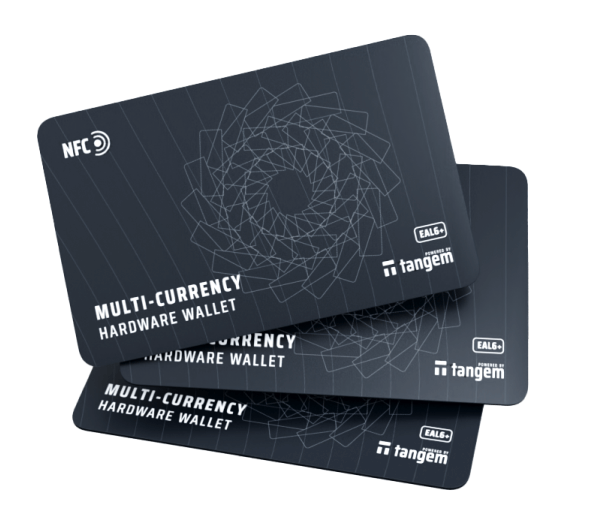
    A smart card-style cold storage device shown next to a US quarter for size comparison

    What makes a backup card different from a typical cold wallet

    Short list: form factor, interaction model, and often the route they use for key generation and signing. Here’s the thing. Some smart backup cards are truly stateless shards—they store a private key in secure element hardware and never reveal it. Others pair with smartphone apps or NFC readers to authorize transactions without exposing seeds. My bias? I prefer devices designed to never leak the private key, even during updates. I’m biased, but that part bugs me if it’s handled sloppily.

    Some cards are single-purpose and cheap. Some are engineered like tiny Fort Knoxes and cost more. On Main Street usability matters. People will carry what fits in a wallet. They will not carry a dongle and a manual. Yet, though simplicity helps, the threat model matters: theft, fire, water, and digital attack vectors still apply. Initially I thought a card was just another cold wallet, but then I realized backup workflows are the real battleground; that’s where many solutions fail.

    Something felt off about relying solely on paper backups. Paper degrades. Ink fades. People lose papers in moves or toss them during clean-outs. My friend lost a handwritten seed during a move—he was careful, but life interfered. Double-checking is critical. Double-checking saves lives (wallet-lives, that is).

    Cold storage needs two things: tamper-resistant key custody and a realistic recovery path. If you store a private key in a card, do you also ensure you can recover if the card fries? I’ve seen creative approaches that combine multiple cards, or use one active card plus a sealed backup stored offsite. On one hand redundancy helps; on the other hand more pieces add friction.

    Real-world backup strategies that actually work

    Okay, practical time. You want a strategy that’s secure, manageable, and forgiving. Here are workflows I use and recommend, with trade-offs—because trade-offs matter, always.

    1) Dual-card split: Use two smart cards that each hold part of a multi-sig, or two halves of an encrypted secret. Short and simple, this avoids a single point of failure. Longer explanation: if one card is lost or damaged, the other alone can’t spend funds; you still need a cooperative recovery step.

    2) Card + sealed paper: Store the card in your wallet for everyday carry and keep a sealed, laminated paper backup in a safety deposit box. My instinct said “that’s paranoid,” until a bike theft taught me otherwise. Actually, wait—let me rephrase that: you need at least one geographically separated copy.

    3) Redundant cards: Buy three identical cards. Keep one in your wallet, one at home in a fireproof safe, and one with a trusted family member or lawyer. This is very very practical for nontechnical people. On a deeper level though this raises trust questions—who holds access controls?

    4) Encrypted multisig with guardians: Use a multisig setup where a card is one of the cosigners, and two other keys are held separately (cold hardware, or secure custodial service). This spreads risk. However, multisig complexity can intimidate regular users.

    Of those, my go-to for most friends is the card + sealed paper approach. Why? Because it blends convenience and resiliency without becoming a full-time job. But I’m not 100% sure it fits everyone.

    Security realities: what to test before trusting a card

    Don’t trust marketing. Test assumptions. Really. For a device I care about, I run through a checklist.

    – Firmware provenance and update model. Who signs firmware? How are updates verified? Short: unsigned updates are a red flag. Long: the verification chain must be auditable by independent tools; ideally the vendor publishes reproducible builds and a security whitepaper that isn’t full of marketing fluff.

    – Tamper resistance. Does the card physically expose components if pried open? Does it zeroize keys on tamper detection? Hmm… some cheap cards won’t even attempt a tamper response.

    – Backup and recovery mechanics. How do you restore? Is there an air-gapped recovery method? Are mnemonic seeds ever displayed off-device? The safest cards keep the seed internal and use encrypted backup methods.

    – Interoperability. Can the card work with open wallets and standards like EMV, NFC signing protocols, or standard PSBT flows? Being locked into a single vendor is a gamble.

    – Community audits. Have security researchers examined the device? Formal audits are nice but not everything; a vibrant community that pokes at a device long-term is gold.

    In my early days I trusted logos. Now I read changelogs. On one hand trust is social; though actually technical assurance reduces social trust load.

    How the tangem hardware wallet model fits into this

    Tangem-style smart cards champion the “easy to carry, hard to compromise” idea. They use secure elements and NFC, letting you sign transactions without exposing private keys. Their form factor makes them approachable for nontechnical folks. I put one in my wallet during a trip and felt surprisingly calm—small things, like being able to pay attention to family instead of fretting over a seed phrase, matter.

    That said, the model isn’t flawless. If you rely on a single card without backup, you invite single-point-of-failure risk. Also, vendor lock-in and firmware update models require scrutiny. My working approach: treat a card like a rotor in a safe—handy for daily ops, but paired with a recovery plan that’s actually tested.

    FAQ

    Are backup cards safe enough for long-term holdings?

    Short answer: yes, if used correctly. Longer: they can be as secure as other cold storage options when they implement strong secure elements, have transparent firmware update policies, and you pair them with a tested recovery strategy. I’m biased toward multisig but I recognize many people want simplicity.

    What happens if the card is damaged?

    Depends on your setup. If you have redundant copies or an offsite sealed backup, you can recover. If you only have a single card and no backups, recovery is unlikely. So test restorations before you commit large sums.

    Can a backup card get infected or hacked via NFC?

    Short: direct remote compromise is hard when private keys never leave the secure element. Still, you should treat any wireless interface cautiously and avoid unknown readers. Also, keep firmware updated from verified sources.

    Alright—my closing thought (not a neat wrap, just a thought): smart backup cards are a pragmatic evolution in cold storage. They lower the barrier to entry, and they fit how people live. But they don’t remove the need for discipline. You should still plan backups, test recoveries, and think about life events. Life happens. Be prepared.

    Something I like about this space is how small improvements change behavior. A card you actually carry gets you to do security right, more often. That’s the real win. Somethin’ to chew on…